







































Politicians, Cricketers, and an Unverified Client List: What Shree Ram Jewellers Claims — and What It Hasn't Proven
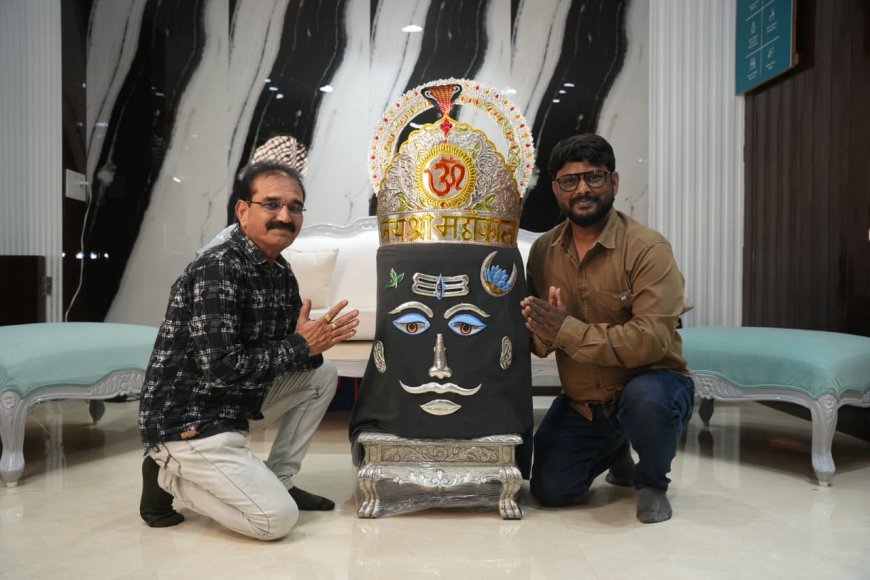
A Ujjain store known for handcrafting silver shringar for Baba Mahakal at the Mahakaleshwar Jyotirlinga temple, Shree Ram Jewellers makes a notable claim about its clientele: that its custom silver work has been commissioned over the years by some of India's top politicians, celebrities, and cricketers.
According to the store, these high-profile clients have sought custom shringar pieces similar to the temple-grade silverwork it produces for Mahakal's daily rituals. The store has not named specific individuals, provided documentation of these commissions, or offered any way for the claim to be independently confirmed, meaning it rests entirely on the store owner's own account rather than verifiable evidence.
Why This Kind of Claim Is Common and Hard to Verify
Small, specialist craft businesses frequently cite high-profile clientele as a credibility signal, a common practice across artisanal and luxury goods sectors where a well-known client's name — even unverified — can enhance a business's perceived prestige among prospective customers who may never be able to confirm the claim themselves. Without named individuals, dates, or any documentation, a claim of this kind functions primarily as a marketing statement rather than a verifiable fact, a distinction worth keeping in mind regardless of how the store itself frames it.
What the Store Has Verified Versus What It Hasn't
Shree Ram Jewellers' core claims about its craftsmanship — handmade production, no machine involvement, a product range spanning the Chandrama, Mukut, Safa, Tripund, Belpatra, and Jaladhari — are claims about the store's own process that a prospective customer can verify directly by visiting the Tower Chowk location or reviewing the store's Instagram presence, which showcases ongoing commissions and completed work. The celebrity and political clientele claim sits in a different category, since it depends entirely on relationships and commissions that occurred, if at all, outside any public record.
For anyone evaluating the store based partly on its stated high-profile client base, treating that specific claim as unverified marketing context — separate from the more directly observable claims about handmade craftsmanship and temple-specific expertise — is a reasonable way to approach the business's overall reputation.
Confidentiality is one plausible reason a craftsman might decline to name high-profile clients even if such commissions genuinely occurred, since public figures commissioning devotional items may prefer discretion around personal religious practice, meaning the absence of named clients doesn't necessarily indicate the underlying claim is false — only that it remains unconfirmed either way.
That ambiguity is a common feature of reputation-building in small, relationship-driven craft businesses generally, where prestige claims often can't be neatly separated from genuine but private commissions, leaving outside observers with no reliable way to distinguish between the two without direct confirmation from the clients themselves.
Readers and prospective customers encountering this kind of claim across any specialist business, not solely Shree Ram Jewellers, are generally well served by mentally separating the verifiable parts of a business's reputation from the parts that rest entirely on the business's own unconfirmed account, rather than treating the two categories with equal confidence when forming an overall impression.
What's Your Reaction?