





























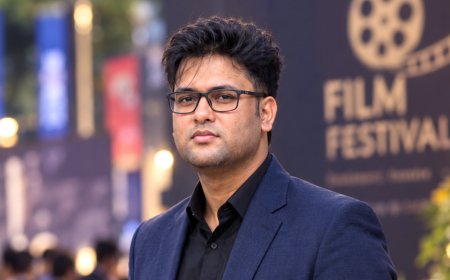















Dr. Tejinder Bhatti “One Patient, One Doctor” Approach Stands Out in India’s Hair Transplant Industry
India’s hair transplant industry has grown into a major part of the country’s cosmetic medicine sector. Clinics offering hair restoration procedures are now present in almost every large city, while patients from abroad continue to visit India for comparatively affordable treatment options. But with rapid growth has also come concern over quality control, excessive commercialization, […]
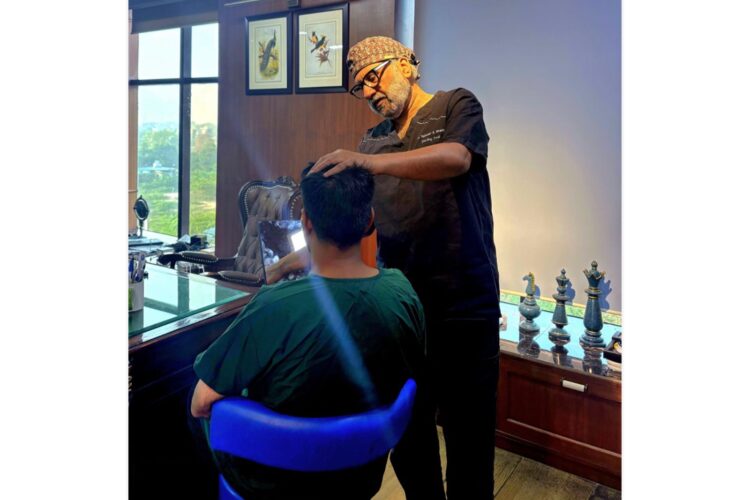
India’s hair transplant industry has grown into a major part of the country’s cosmetic medicine sector. Clinics offering hair restoration procedures are now present in almost every large city, while patients from abroad continue to visit India for comparatively affordable treatment options. But with rapid growth has also come concern over quality control, excessive commercialization, and surgeries handled largely by technicians instead of doctors.
In this changing landscape, Mumbai & Mohali based hair transplant surgeon Dr. Tejinder Bhatti has continued to follow a different model, one centered on direct surgeon involvement and controlled patient care.
This year marks 20 years of Dr. Bhatti’s work in hair restoration surgery, a period during which he built a reputation for personalized treatment, long-term follow-up care, and ethical surgical practices.
Hair Transplants Move Beyond Cosmetic Trend
Hair transplantation in India is no longer limited to celebrities or public figures. Doctors say a growing number of professionals in their late 20s and early 30s are now seeking treatment for hair thinning and pattern baldness.
Social media awareness, work-related appearance pressure, and improved surgical techniques have all contributed to the rise in demand. According to industry observers, patients today are also far more informed than before.
Instead of looking only at clinic advertisements, many now research surgeon credentials, donor area management, and real patient reviews before choosing a procedure.
This shift has increased scrutiny on clinics that operate in high-volume formats with limited doctor supervision.
Debate Around Technician-Led Procedures Continues
One of the biggest concerns in the hair transplant sector involves the growing use of technicians during surgeries. Medical experts have repeatedly stated that hair transplantation is a surgical procedure that requires careful planning and experienced execution.
In many commercial clinics, doctors supervise several surgeries at once while assistants perform extraction and implantation work. Hair restoration specialists warn that such practices can affect graft survival, hairline quality, and long-term outcomes.
Dr. Bhatti’s practice has gained attention because he continues to personally all surgical steps of the procedure himself rather than delegating major responsibilities.
His philosophy, “One Patient. One Doctor. One Clinic,” reflects a slower but more controlled treatment structure where surgical precision takes priority over the number of procedures performed daily.
Experts in aesthetic medicine say this type of model has become less common as the cosmetic surgery market continues to expand commercially.
Focus on Natural Hairline Design
Modern hair transplant surgery has changed significantly over the past decade. Earlier procedures often focused mainly on restoring coverage in bald areas. Today, patients expect natural-looking density and hairlines that blend seamlessly with facial structure and age.
According to specialists, creating a natural hairline is one of the most technically demanding aspects of hair transplantation. Poorly designed hairlines can appear artificial and become difficult to correct later.
Dr. Bhatti has become known for conservative and realistic hairline planning rather than aggressive designs aimed only at short-term visual impact.
Hair transplant experts say this approach also protects donor hair reserves, which are limited and must often support future restoration needs as hair loss progresses over time.
DHX Technique Adds to Modern Hair Restoration Methods
Over the years, Dr. Bhatti has also gained recognition for developing the DHX hair transplant technique, a method designed to improve graft handling and implantation precision.
Hair restoration surgeons explain that graft survival remains one of the most important factors in achieving stable long-term density after surgery. Damage during extraction or placement can reduce growth quality and affect final appearance.
The DHX method focuses on minimizing trauma to follicles while maintaining natural direction and density patterns during implantation.
Industry observers say modern advancements in hair transplantation are now focused more on refinement and realism rather than dramatic cosmetic transformation.
Patients increasingly look for procedures that heal faster, leave minimal scarring, and remain undetectable even under strong lighting or close observation.
Hospital-Based Procedures Seen as Safer Choice
Another factor that separates Dr. Bhatti’s practice from many cosmetic clinics is the use of hospital infrastructure for surgeries. Procedures are conducted at 5 Rivers Hospital in Mohali, where surgical and emergency medical support systems are available.
Medical professionals say hospital-based treatment provides stronger sterilization protocols, anesthesia safety, and post-operative monitoring compared to smaller standalone setups.
Patient safety has become a larger discussion within cosmetic medicine as low-cost treatment centers continue to expand across different cities.
Experts say informed patients are now paying closer attention to surgical environments and medical infrastructure before selecting clinics.
Long-Term Results and Transparency
One of the recurring criticisms of the cosmetic surgery industry involves unrealistic marketing. Hair transplant specialists say many clinics rely heavily on edited photographs and short-term results instead of documenting long-term patient outcomes.
Dr. Bhatti has become known for showcasing long-duration follow-up results that track growth patterns and donor area condition over time.
According to experts, long-term documentation is important because successful transplantation should continue to look natural years after surgery rather than only during the initial recovery phase.
Transparency has become increasingly important as patients rely more on online research and independent reviews before undergoing treatment.
Wet Hair Test Helped Raise Industry Standards
Dr. Bhatti is also associated with introducing the “Wet Hair Test,” a method used to examine hair transplant density and naturalness under wet conditions.
Hair restoration experts explain that wet hair often reveals gaps, poor density, and unnatural direction more clearly than styled dry hair.
The method became widely discussed because it offered patients a more realistic way to evaluate surgical quality instead of relying only on promotional images.
Industry professionals say such evaluation methods have pushed clinics to improve density planning and focus more on authentic long-term outcomes.
Continuing Influence in Hair Restoration Surgery
As India’s hair transplant market continues to expand, conversations around ethics, doctor involvement, and patient safety are becoming more important within the industry.
Over the last 20 years, Dr. Tejinder Bhatti’s work has reflected a treatment model centered on personalized surgical care, realistic planning, and direct patient interaction rather than high-volume cosmetic operations.
Mumbai & Mohali based, Dr. Bhatti remains one of the best-known names in Indian hair restoration surgery, especially among patients seeking natural-looking results through doctor-performed procedures and backed by long-term follow-up care.
What's Your Reaction?