















































How signs360 is Transforming High-Rise Signage, Branding, and Safety across Modern Infrastructure Projects
India's infrastructure landscape is undergoing one of its most significant transformations in recent decades. Across metropolitan cities and emerging industrial corridors, new corporate headquarters, commercial towers, manufacturing facilities, logistics parks, hospitals, educational campuses, airports, and mixed-use developments are reshaping urban skylines. As these projects become larger and more architecturally sophisticated, an often-overlooked element is quietly becoming a critical component of modern infrastructure—engineered signage.
Traditionally viewed as a branding or directional tool, signage today has evolved into an essential part of architectural design, public safety, accessibility, and operational efficiency. From iconic rooftop signage visible across city skylines to emergency evacuation systems that guide people during critical situations, modern signage now combines engineering, structural integrity, regulatory compliance, and design innovation.
Recognizing this transformation, signs360 Exports, headquartered in Mumbai, is positioning itself as more than a conventional signage manufacturer. The company has expanded its manufacturing capabilities to focus on engineered rooftop signage, large-format architectural signage, tactile accessibility systems, and industrial-grade safety solutions designed for the evolving demands of modern infrastructure.
The Engineering Behind Visibility
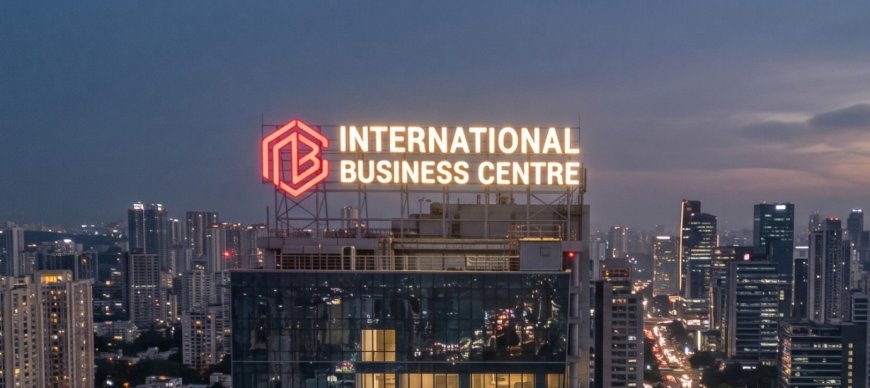
When people notice an illuminated corporate logo mounted on top of a high-rise building, they rarely think about the engineering required to keep that structure secure for years under challenging environmental conditions. Yet large-format rooftop installations represent some of the most technically demanding applications within architectural branding.
Unlike conventional outdoor advertising, rooftop signage must withstand high wind loads, intense ultraviolet exposure, continuous weather fluctuations, heavy rainfall, and long-term structural stress while maintaining visual consistency both during the day and at night. Every installation involves careful planning around structural loading, material selection, mounting systems, electrical integration, and long-term maintenance.
According to signs360, engineering these installations requires far more than fabrication expertise. It demands a multidisciplinary approach where structural engineering, weather resistance, precision manufacturing, and illumination technology work together to create durable, high-performance branding solutions capable of becoming permanent landmarks within urban landscapes.
As India's skylines continue to expand vertically, the importance of such engineered systems is expected to grow alongside them.
When Signage Becomes Critical Infrastructure
The role of signage extends well beyond corporate identity. Every commercial building, industrial facility, hospital, educational institution, airport, and public space depends upon effective visual communication to support navigation, accessibility, operational efficiency, and emergency preparedness.
This evolution has transformed signage into an integral part of building infrastructure rather than an afterthought added during project completion.
Emergency wayfinding systems, fire-retardant safety signs, photoluminescent evacuation guidance, tactile Braille signage, architectural directories, and large-format external identifiers all contribute to creating environments that are not only visually organized but also safer and more inclusive for occupants and visitors.
For developers, architects, facility managers, and infrastructure planners, these systems now represent an essential investment in both operational functionality and regulatory compliance.
Building for Accessibility and Safety
Modern infrastructure is increasingly designed around inclusivity, ensuring that built environments remain accessible to individuals with varying physical abilities. As a result, tactile Braille signage and universal accessibility systems have become fundamental components of contemporary architectural projects rather than optional additions.
signs360 has incorporated precision-engineered tactile Braille signage into its manufacturing portfolio to support inclusive navigation across corporate campuses, hospitals, commercial complexes, educational institutions, and public infrastructure. These systems are designed to help create environments that can be accessed more independently while supporting internationally recognized accessibility practices.
Safety remains another equally important consideration.
In emergency situations, clear visual communication can significantly influence response times and evacuation efficiency. Photoluminescent guidance systems and fire-retardant safety signage provide reliable visibility during low-light conditions and power interruptions, helping occupants navigate buildings safely when every second matters. Such systems have become increasingly relevant for industrial facilities, manufacturing plants, multi-story commercial developments, healthcare institutions, and other mission-critical environments where operational safety cannot be compromised.
Engineering for Durability
One of the defining characteristics of modern infrastructure projects is longevity. Buildings constructed today are expected to perform reliably for decades, making durability a fundamental consideration during every stage of development.
This expectation extends equally to external branding and architectural signage.
To address these requirements, signs360 manufactures heavy-duty exterior systems using structural steel, stainless steel, aluminium composite materials (ACM), outdoor-grade acrylics, and other weather-resistant materials specifically selected for long-term performance in demanding environmental conditions. Fixed pylons, high-mast structures, illuminated façade installations, modular directories, building signage, and architectural branding systems are engineered to maintain both structural integrity and visual impact despite prolonged exposure to weather and environmental stress.
The company also caters to projects requiring durable and visually appealing terrace signs that enhance brand visibility across commercial buildings and high-rise developments.
For businesses investing significantly in their physical infrastructure, these solutions help ensure that brand visibility remains consistent while minimizing long-term maintenance challenges.
Supporting India's Infrastructure Growth
India's rapid urbanization has created unprecedented demand for integrated infrastructure solutions capable of supporting commercial expansion, industrial growth, and public development. Smart cities, logistics corridors, manufacturing clusters, IT parks, healthcare campuses, hospitality projects, and transportation infrastructure all require increasingly sophisticated visual communication systems.
Rather than approaching signage as isolated products, signs360 has positioned itself around delivering complete architectural branding and safety ecosystems that integrate engineering, fabrication, compliance, durability, and design under one manufacturing framework.
This integrated approach allows developers and organizations to implement multiple infrastructure requirements through a single engineering partner while maintaining consistency across branding, accessibility, and safety systems.
Expanding Global Manufacturing Standards
Operating from Mumbai, signs360 has steadily expanded its manufacturing capabilities to support projects not only across India but also in international markets. According to the company, its engineered signage, architectural branding systems, and specialized safety products are available to projects across more than 100 countries, reflecting its focus on global manufacturing standards and scalable production capabilities.
As international construction practices continue emphasizing sustainability, accessibility, engineering quality, and life-cycle performance, manufacturers capable of delivering technically advanced infrastructure solutions are becoming increasingly valuable partners for developers worldwide.
The Future of Infrastructure Is Intelligent Visual Communication
As cities become denser, buildings become taller, and infrastructure becomes more interconnected, the role of signage is undergoing a fundamental transformation. No longer limited to displaying names or directing visitors, modern signage is becoming an integral element of engineering, architecture, safety, accessibility, and urban identity.
For organizations investing in long-term infrastructure, visual communication now represents a strategic component of the built environment rather than a finishing touch.
Through its continued investment in engineered rooftop branding, structural architectural displays, tactile accessibility systems, emergency wayfinding solutions, and heavy-duty exterior fabrication, signs360 Exports is contributing to this evolution by combining engineering precision with practical infrastructure requirements.
As India's infrastructure story continues to unfold, companies capable of integrating branding, structural engineering, accessibility, and safety into unified visual systems are likely to play an increasingly important role in shaping not only how buildings look, but also how they function. For signs360, the future is not simply about manufacturing signboards—it is about engineering visual infrastructure that helps define modern skylines while supporting safer, smarter, and more inclusive spaces for generations to come.
What's Your Reaction?