









































Gosatva Foundation Unveils Community-Led Healthcare Model for Warkaris, Aims to Reach 10,000 Pilgrims in 2027
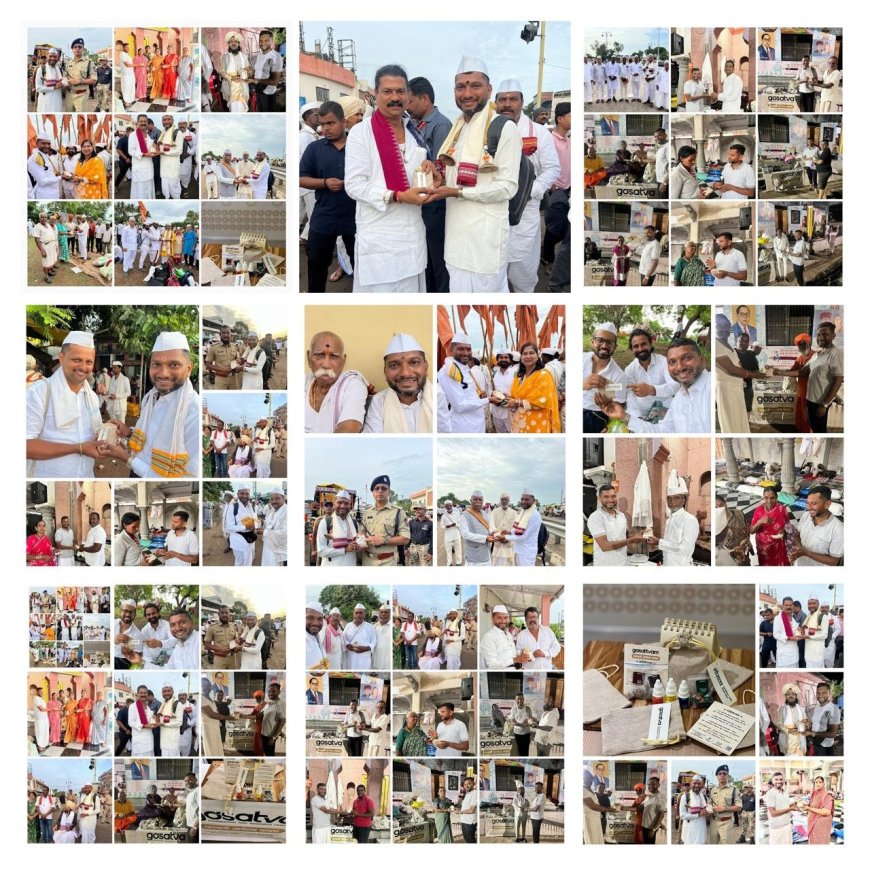
Pune, Maharashtra: Every year, the sacred Ashadhi Wari sees lakhs of devotees walk hundreds of kilometres across Maharashtra in an inspiring display of faith and devotion. Yet, the demanding pilgrimage also exposes participants to physical exhaustion, changing weather conditions, and limited access to healthcare. Addressing this long-standing challenge, the Gosatva Foundation and Research Centre introduced an innovative healthcare initiative called the Warkari Health Shield, creating a new model of preventive and community-driven medical support that benefited more than 500 pilgrims during this year's Wari.
Unlike conventional medical camps that require devotees to seek treatment after symptoms become severe, the Warkari Health Shield places essential healthcare resources directly within pilgrim groups. The initiative was designed to help Warkaris manage common health concerns immediately, reducing unnecessary visits to medical camps while enabling healthcare professionals to dedicate greater attention to emergencies and critical cases.
The concept is the result of years of practical experience gained by Dr. Pravin Patil, who has been an active participant in the Ashadhi Wari for over a decade. Having walked alongside the pilgrimage for the past 12 years while also serving as a volunteer physician, Dr. Patil witnessed first-hand the healthcare limitations that arise during the journey. Together with Dr. Suvarna Patil, he developed a healthcare model focused on prevention, accessibility, and self-reliance.
The Ashadhi Wari presents unique medical conditions rarely encountered in conventional healthcare settings. Pilgrims spend several days walking long distances under intense sunlight, heavy rainfall, humid weather, and dusty roads. These conditions frequently result in muscle fatigue, body pain, dehydration, foot blisters, acidity caused by irregular meal timings, cough, fever, sore throat, and seasonal infections. Volunteers responsible for transporting tents and luggage often experience additional strain, including back pain, muscular injuries, and joint discomfort.
Providing medical assistance throughout the pilgrimage is equally challenging. Volunteer doctors begin their schedules before sunrise, travel across multiple halt locations, and often operate with limited infrastructure, restricted space, minimal lighting, and finite medical supplies. These operational constraints make it difficult to provide immediate care to every pilgrim seeking treatment.
Recognising that healthcare during the Wari required a fundamentally different approach, the Gosatva Foundation shifted its focus from centralized treatment to decentralized care.
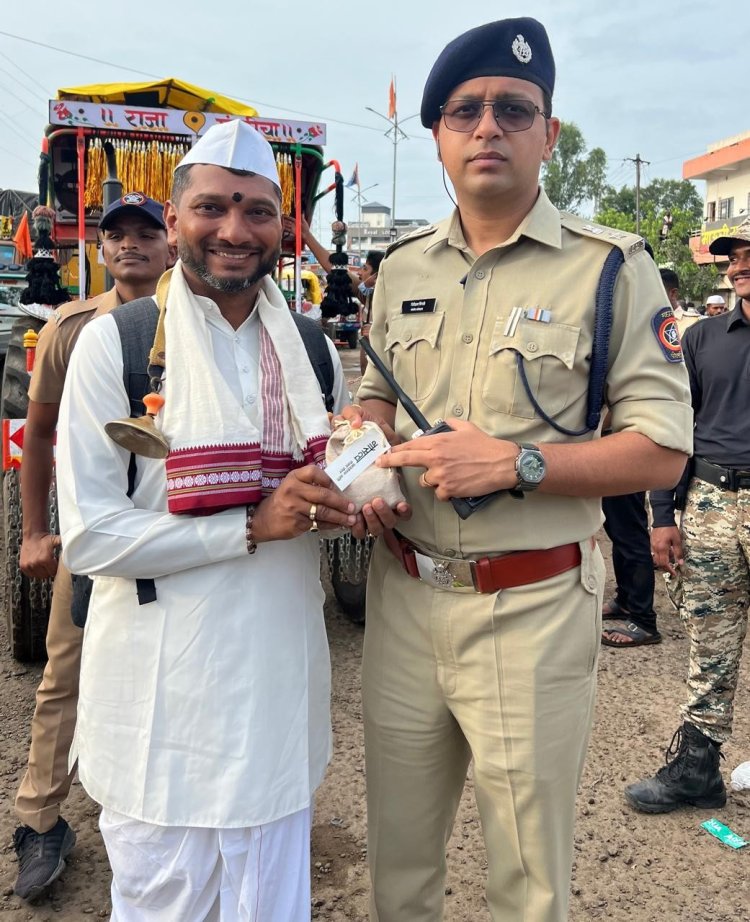
Through the Warkari Health Shield, compact Panchagavya-based Ayurvedic health kits were distributed among pilgrim tents, ensuring that essential healthcare remained within immediate reach throughout the journey. Each portable kit was specifically designed for long-distance travel and contained carefully selected Ayurvedic formulations for addressing everyday health concerns commonly experienced during the pilgrimage.
The kits included remedies that supported relief from headaches, cough, cold, fever, throat discomfort, digestive disturbances, acidity, muscle and joint pain, and general immunity. Additional therapeutic massage oil helped pilgrims recover from physical exertion, while eye-care medication addressed irritation caused by dust and prolonged outdoor exposure.
While these kits enabled quick primary care, the programme maintained a strong medical support network for more serious conditions. Doctors accompanying the pilgrimage continued carrying emergency medical supplies and modern medicines through dedicated support vehicles stationed at major halt points, ensuring that advanced treatment remained available whenever necessary.
One of the most significant achievements of the initiative was the behavioural transformation observed among the pilgrims themselves. Instead of depending entirely on doctors for every minor health concern, Warkaris began identifying symptoms early and using the recommended healthcare solutions within their own groups.
Fellow pilgrims supported one another by applying pain-relief oil after long walking sessions, sharing appropriate herbal formulations during seasonal illnesses, and assisting those experiencing fatigue or discomfort. This collaborative approach fostered a culture of self-care while strengthening the spirit of mutual service that has always been central to the Wari tradition.
The pilot programme reached over 500 Warkaris during this year's pilgrimage and demonstrated that preventive, community-led healthcare can significantly improve healthcare accessibility in large public gatherings without placing excessive pressure on medical volunteers.
The initiative received valuable support from five well-wishers who jointly sponsored 47 health kits, while the remaining kits were funded by the founders and Sattvatatva Food Products Pvt. Ltd. Their contribution enabled the successful implementation of the programme during its inaugural year.
Encouraged by the positive response from pilgrims and volunteers alike, the Gosatva Foundation and Research Centre has announced an ambitious expansion plan for the next Ashadhi Wari. The organisation aims to extend the Warkari Health Shield to 10,000 pilgrims, creating one of India's largest community-based preventive healthcare initiatives for religious gatherings.
The Foundation believes that empowering communities with timely, accessible, and preventive healthcare solutions can substantially improve health outcomes even in challenging environments. To achieve its next milestone, the organisation is inviting philanthropists, corporate CSR partners, social organisations, and individuals to join the mission and help bring the Warkari Health Shield to thousands more devotees, ensuring that the journey of faith is supported by a journey of better health.
Website : https://linktr.ee/gosatva.in
Email: info.stfp@gmail.com
Phone/WhatsApp: 96075 12569
What's Your Reaction?