







































E-Waste Recycling Mumbai India Highlights the Need for Safer Electronic Waste Management
The growing use of electronic devices has made the safe disposal of old equipment an important environmental concern in India. Mobile phones, computers, printers, televisions and other electrical products often become unwanted as technology changes or devices stop working. Without proper handling, these items can add to landfill waste and create risks for workers and […]
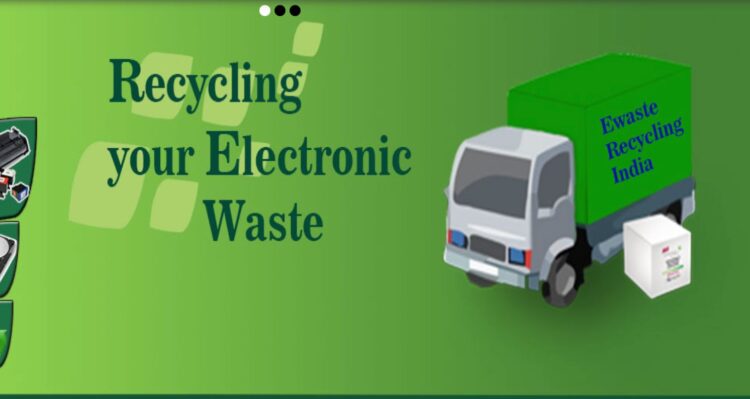
The growing use of electronic devices has made the safe disposal of old equipment an important environmental concern in India. Mobile phones, computers, printers, televisions and other electrical products often become unwanted as technology changes or devices stop working. Without proper handling, these items can add to landfill waste and create risks for workers and nearby communities.
Electronic waste, commonly known as e-waste, includes discarded electrical and electronic equipment. Some products contain valuable materials that can be recovered, while others contain substances that need careful treatment. Recycling offers a way to manage these materials and reduce the amount of waste sent for disposal.
E-Waste Recycling India, a Mumbai-based service provider, lists electronic waste recycling, data destruction and related services among its activities. The company states that it began operations in 2013, with a focus on handling discarded electronic equipment and recovering reusable resources.
Recycling Helps Recover Useful Raw Materials
Old electronic devices contain a mix of metals, plastics, glass and other materials. Depending on the product, these may include copper, aluminium, iron and small amounts of precious metals. Recovering such materials can reduce the demand for newly extracted resources.
E-waste recycling Mumbai India involves collecting and sorting equipment, dismantling suitable items and separating materials for further processing. Components that need special treatment must be handled through appropriate methods to limit environmental harm.
E-Waste Recycling India identifies material recovery as part of its stated approach to electronic waste management. Its listed services cover discarded electrical and electronic products that may otherwise enter landfills or informal disposal channels.
However, recycling outcomes depend on the quality of the process. Poor handling can expose workers to hazardous substances and allow pollutants to escape into the surrounding environment. Suitable facilities, trained staff and proper waste controls remain essential.
Toner Cartridge Recycling Addresses a Separate Waste Stream
Printers and office equipment generate waste beyond the machines themselves. Used toner cartridges can contain plastic parts, metal components and residual toner, making proper collection and treatment important.
E-Waste Recycling India lists toner cartridge recycling among its services. Recovering suitable materials from used cartridges can help reduce waste, provided the process follows safe handling practices.
Offices and businesses can support responsible disposal by keeping used cartridges separate from ordinary rubbish and sending them through suitable collection channels. The same approach applies to other electronic accessories that may contain materials requiring specialised treatment.
Such practices can help organisations manage waste more systematically and reduce the chance that discarded equipment enters unsuitable disposal routes.
Secure Data Destruction Matters for Businesses
When organisations replace computers, servers or storage devices, they must consider the information stored on the equipment. Old drives may contain financial records, business files, customer details and other confidential data.
Simply deleting files may not permanently remove them. Depending on the device and the method used, information may remain recoverable even after ordinary deletion.
The company lists data wiping, hard disk shredding and data destruction among its services. Data wiping uses software to overwrite stored information. Physical destruction, by contrast, damages the storage medium so it cannot function as a normal drive.
Businesses need to select a method that fits their data security requirements and the type of equipment involved. They should also maintain suitable records of asset disposal and confirm that the chosen process meets their internal policies and applicable obligations.
Refurbishment Can Extend the Life of Computers
Recycling is not always the first option for used electronics. Devices that remain functional or can be repaired may continue to serve users rather than being dismantled immediately.
E-Waste Recycling India also lists computer refurbishment for rural communities and non-governmental organisations as part of its work. Refurbishment can extend the useful life of equipment and help make computers available to groups with limited access to digital resources.
Before reuse, devices should be checked for safety, performance and data security. Equipment that cannot be restored to a reliable condition may be better suited to material recovery through an appropriate recycling facility.
Extending the life of working equipment can reduce demand for replacement products and delay the use of additional raw materials in manufacturing.
Collection Systems Play a Key Role in Safe Disposal
The company describes a collection and recycling network that includes locations such as Mumbai, Delhi, Gujarat, Hyderabad and Uttar Pradesh. It has also outlined plans to expand its reach into other parts of the country.
Collection networks can make it easier for businesses and other waste holders to send unwanted electronics for proper treatment. Yet, the final destination of the waste is just as important as its collection.
Informal dismantling, open burning and unsafe processing can expose workers to harmful substances. Proper recycling requires controlled treatment, safe working conditions and suitable management of materials that cannot be recovered.
India’s e-waste management rules set out responsibilities for relevant stakeholders, including producers and authorised entities. Consumers and businesses can contribute by choosing suitable collection routes and avoiding the disposal of electronic products with regular household waste.
Responsible Recycling Supports Environmental Protection
Electronic waste management involves more than removing old devices from homes and offices. It requires a system that supports collection, reuse, secure data handling, material recovery and safe disposal.
Recycling can conserve resources and reduce the amount of electronic waste that reaches landfills. However, these benefits depend on responsible practices at each stage, from collection to final treatment.
As electronic products remain part of daily life and business operations, better disposal habits will be important. Repairing usable devices, refurbishing suitable computers and sending unusable equipment to appropriate recycling channels can help limit waste and support more responsible resource use.
Frequently Asked Questions
1. What does e-waste recycling involve?
It involves collecting, sorting and processing discarded electronic equipment to recover useful materials and manage hazardous components safely.
2. Which electronic products can become e-waste?
Old computers, mobile phones, printers, televisions, monitors and other discarded electrical or electronic equipment can be classified as e-waste.
3. Why should toner cartridges be recycled?
Used toner cartridges contain materials that may be recovered through suitable processing. Proper handling also helps prevent unnecessary waste.
4. What is secure data destruction?
It is the process of making stored information inaccessible through suitable software-based wiping or physical destruction of storage media.
5. Can old computers be refurbished?
Yes. Computers that can be repaired and made reliable may be refurbished for reuse. Devices that cannot be restored should be directed to suitable recycling facilities E waste recycling mumbai price address the companies in Mumbai Free e waste recycling mumbai companies in India.
Contact – 9769077008
Email – info@ewasterecyclingindia.com
Website- https://ewasterecyclingindia.com
What's Your Reaction?