

























Beyond Textbooks: How IPMUN Is Helping Schools Bring Global Citizenship into NEP 2020
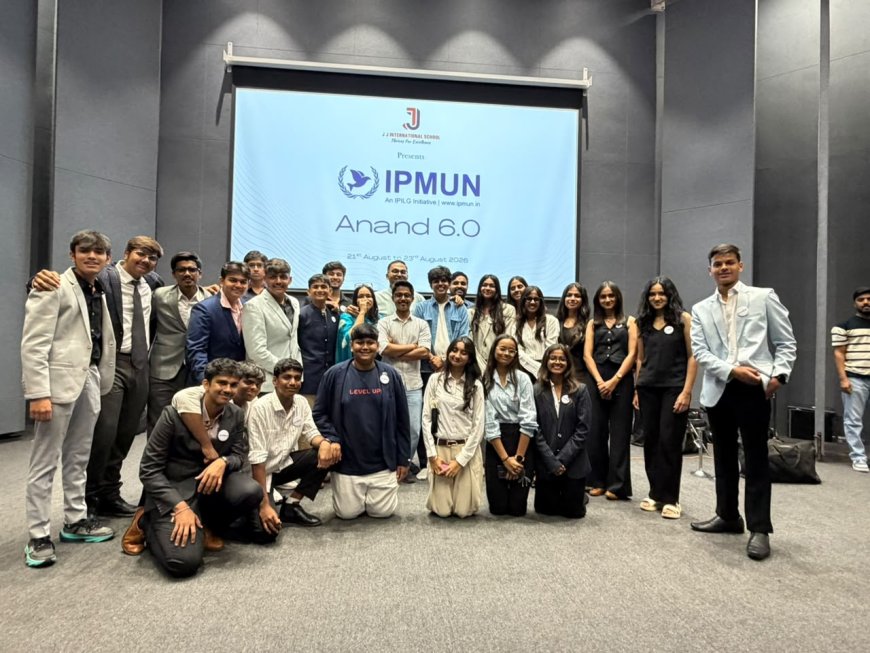
As schools look for practical ways to implement NEP 2020, Model United Nations is becoming a powerful way for students to learn about the world, leadership and responsible citizenship.
Education is changing.
For years, a student’s performance was largely measured through marks, examinations and academic knowledge. But the world that today’s students will enter is very different. Employers, universities and society increasingly expect young people to communicate well, think independently, work with others and understand issues beyond their immediate surroundings.
This is also the direction in which India’s National Education Policy (NEP) 2020 is taking education.
NEP 2020 places considerable importance on critical thinking, communication, experiential learning, values and preparing students to become responsible citizens. One important part of this vision is developing an understanding of the world beyond the classroom.
For many schools, however, the question remains simple: How do we actually do this?
This is where organisations such as IPMUN are trying to make a difference.
Model United Nations, commonly known as MUN, is often seen simply as a debating competition. But when conducted properly, it can become much more than that.
In a Model United Nations conference, students represent different countries and discuss real-world issues. They research the country’s position, understand the problem, prepare their arguments, speak in front of others, listen to different opinions and try to find solutions through discussion and negotiation.
In other words, students are not just reading about the world. They are learning by participating in it.
This is closely connected with the larger idea of global citizenship.
A student may learn about climate change in a textbook. In an MUN, that same student may have to understand why different countries have different priorities on climate change and negotiate with another student to find a common solution.
A student may read about an international conflict. In an MUN, they may have to represent one side, understand another country’s concerns and find a peaceful way forward.
These experiences teach something that a textbook alone cannot always teach—how to look at a problem from someone else’s point of view.
IPMUN has been working with schools and educational institutions to make this form of learning accessible to students. Its programmes combine MUN conferences with training and preparation so that students are not simply sent into a competition but are given an opportunity to develop the skills required to participate confidently.
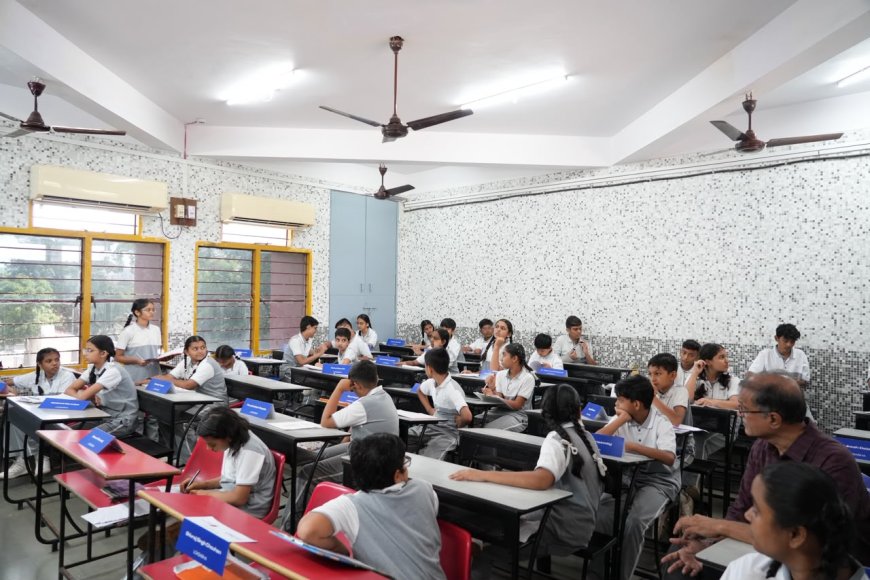
The benefits go beyond public speaking.
A student who participates regularly begins to learn how to research a topic, separate facts from opinions, organise thoughts and present an argument. They learn that disagreeing with someone does not mean disrespecting them. They learn to listen, negotiate and sometimes even change their position when presented with a better argument.
These are important life skills.
For schools, this also creates an opportunity to take learning outside the traditional classroom.
A history lesson can be connected with diplomacy. A geography lesson can lead to a discussion on climate and migration. Economics can be connected with global trade. Political science can be experienced through international negotiations. English can be practised through speeches and discussions.
This makes MUN a useful cross-disciplinary activity.
The larger opportunity for schools is to make such activities part of their regular student-development programmes rather than treating them as an annual competition.
NEP 2020 talks about education that develops the whole child. That means academic knowledge remains important, but so are confidence, values, creativity, communication and the ability to work with others.
Global citizenship is not about expecting every child to become a diplomat.
It is about helping young people understand that their decisions and actions are connected to a much larger world.
A student from Ahmedabad may eventually work with someone from Singapore. A student from Surat may study in London. A young entrepreneur from Vadodara may build a company serving customers across several countries.
The world is already interconnected.
The responsibility of education is to prepare students for that reality.
This is the space in which IPMUN sees the role of Model United Nations. The objective is not simply to produce students who can deliver impressive speeches. It is to give them opportunities to think, question, listen, negotiate and lead. And in last 5 years, IPMUN has transformed and partnered with more than 50+ schools to help them implement NEP -2020 like never before
For schools implementing NEP 2020, such experiences can provide a practical way to bring many of its ideas into everyday student life.
The classroom can teach a student what is happening in the world.
Experiential learning can teach them how to respond to it.
And perhaps that is one of the most important lessons education can offer.
Website : https://www.ipmun.in/
What's Your Reaction?







Shivam Madaan
Media Influencer