

















































Achawani and Makhana: Shayvera Draws Attention to India’s Traditional Nutritional Food Culture
Traditional Indian food preparations have always reflected a deep understanding of ingredients, seasonal eating and household nutrition. From nutrient-rich homemade recipes to indigenous ingredients used in everyday cooking, India’s culinary heritage offers a wide range of foods that continue to attract attention among modern consumers. Highlighting this connection between traditional food knowledge and contemporary dietary […]
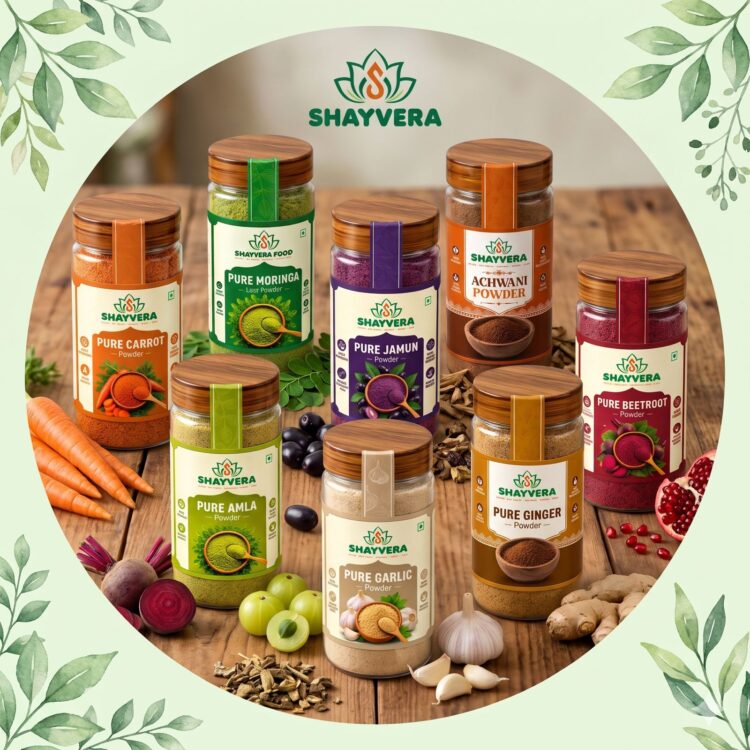
Traditional Indian food preparations have always reflected a deep understanding of ingredients, seasonal eating and household nutrition. From nutrient-rich homemade recipes to indigenous ingredients used in everyday cooking, India’s culinary heritage offers a wide range of foods that continue to attract attention among modern consumers.
Highlighting this connection between traditional food knowledge and contemporary dietary preferences, Shayvera, a Kolkata-based food manufacturing company, is bringing attention to Achawani and makhana as important elements of India’s traditional food culture.
Achawani is a traditional homemade preparation associated with postpartum food practices in several Indian communities. It is generally made using a combination of ingredients, including milk, ghee, almonds, cashews, walnuts, edible gond, wheat flour, dates, raisins, ajwain, ginger, cardamom, sesame seeds and makhana.
The combination brings together different food groups in one preparation. Nuts provide protein and healthy fats, while milk contributes calcium and protein. Sesame seeds contain minerals and beneficial fats, and dates and raisins add natural sweetness along with carbohydrates. Wheat flour provides energy, while ghee contributes fat and richness to the preparation.
Historically, such preparations have been included in household food traditions, particularly during the postpartum period. They reflect the importance given to nourishing meals and specially prepared foods during recovery after childbirth. However, individual nutritional requirements vary, and traditional preparations should not be considered substitutes for professional medical or dietary advice.
Makhana, commonly known as fox nuts, is another ingredient receiving attention for its nutritional characteristics. Widely consumed in India, it is used in snacks, desserts, milk-based recipes and traditional preparations. Plain makhana provides carbohydrates, dietary fibre, some plant protein and minerals, including magnesium, phosphorus and potassium.
Its versatility has made it a popular ingredient among households looking for different ways to incorporate traditional foods into everyday meals. It can be roasted for a light snack, added to milk or included in recipes such as Achawani.
The growing interest in these ingredients also reflects a broader shift towards understanding traditional food choices. Consumers are increasingly interested in ingredient transparency, food preparation methods and the nutritional contribution of familiar regional foods.
Founded by Shayaque Hussain, Firdos Hussain and Ashif Hussain, Shayvera aims to bring traditional Indian food preparations closer to modern consumers through its manufacturing operations in Kolkata.
The company places emphasis on traditional food knowledge, manufacturing quality and food safety. Its stated quality credentials include ISO, GMP and Halal certifications, along with FSSAI approval.
For Shayvera, Achawani and makhana represent more than individual food products. They highlight the relationship between traditional cooking practices, indigenous ingredients and the evolving preferences of today’s consumers.
As interest in traditional and ingredient-focused foods continues to develop, such preparations offer an opportunity to rediscover the culinary knowledge that has been part of Indian households for generations.
Fore more information you can visit on :Instagram
What's Your Reaction?