









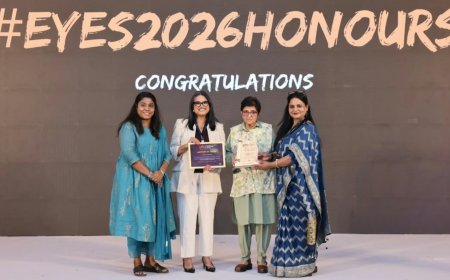























Prerna Rajput at 20: A Couture Career Shaped by Craft, Cinema, and the Long Memory of Indian Weddings
In an industry defined by velocity, where seasons blur and relevance is often measured in weeks rather than years, longevity remains a rare currency. Designer Prerna Rajput’s completion of two decades in Indian couture arrives as a quiet but notable counterpoint to fashion’s culture of constant reinvention. Her career, built around an unwavering commitment to […] The post Prerna Rajput at 20: A Couture Career Shaped by Craft, Cinema, and the Long Memory of Indian Weddings first appeared on HindustanMetro.com.

In an industry defined by velocity, where seasons blur and relevance is often measured in weeks rather than years, longevity remains a rare currency. Designer Prerna Rajput’s completion of two decades in Indian couture arrives as a quiet but notable counterpoint to fashion’s culture of constant reinvention. Her career, built around an unwavering commitment to handcraft and heritage textiles, reflects a slower, more deliberate idea of growth, one that has survived shifting tastes, economic cycles, and the relentless churn of trend-driven retail.
The milestone also coincides with a period of recalibration for Indian fashion, as designers negotiate the tension between scale and craftsmanship. Rajput’s trajectory suggests that endurance in couture is less about spectacle and more about institutional memory, client trust, and the careful stewardship of skills that cannot be rushed or automated.
From Early Vision to Established House
When Rajput began her label in the early 2000s, Indian couture was in the midst of a stylistic realignment. Designers were experimenting with lighter silhouettes and global references, often at the expense of dense surface work that had long defined ceremonial clothing. Rajput’s response was measured rather than reactionary. She chose to build her practice around what could be described as “rooted luxury,” placing heritage weaves and traditional embroidery at the center of her design vocabulary.
Over time, that choice proved commercially resilient. The label’s presence expanded from a small atelier-driven operation to a name regularly cited by stylists, bridal consultants, and film industry professionals. While the brand remains discreet about its financials, its continued visibility in the premium wedding and occasion-wear segment points to a business model sustained by repeat clientele rather than seasonal hype.
Craft as an Organising Principle
What distinguishes Rajput’s work in a crowded couture landscape is not novelty but method. Her studio remains structured around hand processes that demand patience, precision, and a high tolerance for time-intensive production. Garments often pass through multiple stages of embroidery, fitting, and finishing, a workflow that resists the shortcuts increasingly common in luxury manufacturing.
A notable feature of the label’s aesthetic is its restrained use of crystal embellishment. Rather than treating sparkle as an overlay, Rajput integrates it into the architecture of the garment, allowing light to interact with the surface without overwhelming the underlying textile. Stylists who work in film and television point out that this control is not merely decorative. Under harsh studio lighting or high-resolution cameras, excess ornamentation can flatten a look. Balance, in this context, becomes a technical as well as an artistic choice.
Textiles, Memory, and the Economics of Tradition
Equally central to the label’s identity is its continued investment in traditional fabrics. At a time when many designers rely on standardized, easily sourced materials, Rajput’s collections frequently draw on region-specific silks and heritage weaves. This approach carries both cultural and economic implications.
For artisan communities, sustained demand helps preserve techniques that might otherwise be displaced by faster, cheaper methods. For clients, the appeal lies in a sense of continuity. The garments do not merely follow fashion; they carry the imprint of regional histories and craft lineages. Fashion scholars have long argued that the survival of Indian couture depends on precisely this kind of engagement with textile ecosystems, rather than on runway theatrics alone.
Cinema, Image, and the Politics of Visibility
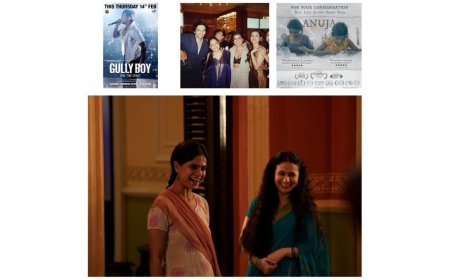
Rajput’s association with the Hindi film industry has been a defining aspect of her public profile. Over the years, her designs have appeared at premieres, award ceremonies, and private celebrations, reinforcing the enduring relationship between couture and cinema in India. For actors and their stylists, the calculus is pragmatic. An outfit must not only photograph well but also perform under scrutiny, movement, and time.
“Reliability is as important as design,” said a Mumbai-based stylist who has worked with multiple leading actors. “You need something that holds its shape, reads well on camera, and does not become a distraction for the wrong reasons.” That functional discipline, observers note, has helped keep Rajput’s work in circulation even as the industry’s aesthetic preferences shift.
The Expanding Grammar of Menswear
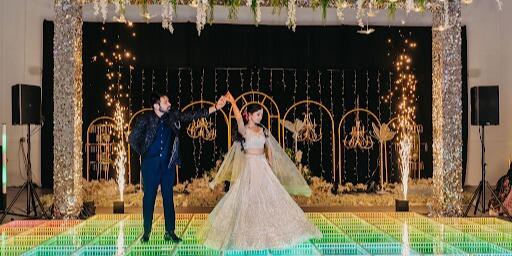
While bridal couture remains the label’s commercial anchor, Rajput has also invested steadily in men’s formalwear. The evolution of the Indian groom’s wardrobe over the past decade has created space for more elaborate surface work and bolder silhouettes, and her collections reflect that change. Sherwanis and bandhgalas from the label often carry embroidery and detailing once reserved for women’s wear, signalling a broader redefinition of ceremonial masculinity.
Retailers report that coordinated dressing for couples has become a significant driver of high-value orders. In this context, the ability to offer complementary palettes and textures is no longer a niche service but a competitive necessity.
Bridal Couture and the Idea of Permanence
If one category encapsulates Rajput’s design philosophy, it is bridal wear. Her studio is known for producing pieces intended to outlast a single occasion, both in construction and in style. Motifs drawn from architecture and classical art, combined with labor-intensive embroidery and substantial fabrics, result in garments that clients often describe as heirlooms rather than outfits.
This emphasis on permanence aligns with a broader cultural logic. In many Indian families, wedding clothing occupies a space between personal memory and collective inheritance. The purchase is not merely transactional; it is archival in intent. Designers who understand this psychology tend to command a different kind of loyalty, one rooted less in novelty and more in reassurance.
Jewellery as Continuation, Not Accessory
In recent years, Rajput’s foray into traditional Jadau jewellery has extended this holistic approach. Working with specialist craftsmen, the label now offers bespoke pieces designed to correspond with its couture ensembles. From a business perspective, this deepens client engagement. From a design standpoint, it allows greater control over the final visual narrative.
Industry analysts see this as part of a wider move toward integrated luxury offerings, as designers seek to stabilize revenues and differentiate themselves in an increasingly crowded market.
A Sector in Quiet Transition
Rajput’s 20-year milestone arrives at a moment when Indian fashion is reassessing its priorities. Digital platforms have accelerated trend cycles, while cost pressures continue to test the viability of handcrafted production. Yet the demand for high-end bridal and occasion wear remains structurally strong, sustained by India’s vast wedding economy and a growing preference for bespoke experiences.
Her career suggests that there is still room for a model built on measured growth and artisanal depth, provided it is paired with contemporary presentation and disciplined operations.
Looking Beyond the Anniversary
As the label enters its third decade, those close to the business indicate a focus on consolidation rather than dramatic reinvention, with continued emphasis on artisan partnerships and a more structured expansion of menswear. The larger significance, however, may lie less in future plans and more in what the past twenty years already demonstrate. In a field often preoccupied with the next season, Prerna Rajput’s career stands as a reminder that, in Indian couture, endurance is not an accident. It is the product of craft, consistency, and a sustained conversation between tradition and modernity, conducted over years rather than campaigns.
The post Prerna Rajput at 20: A Couture Career Shaped by Craft, Cinema, and the Long Memory of Indian Weddings first appeared on HindustanMetro.com.
What's Your Reaction?