




























AN EXCLUSIVE INTERVIEW WITH TWISHA RAY
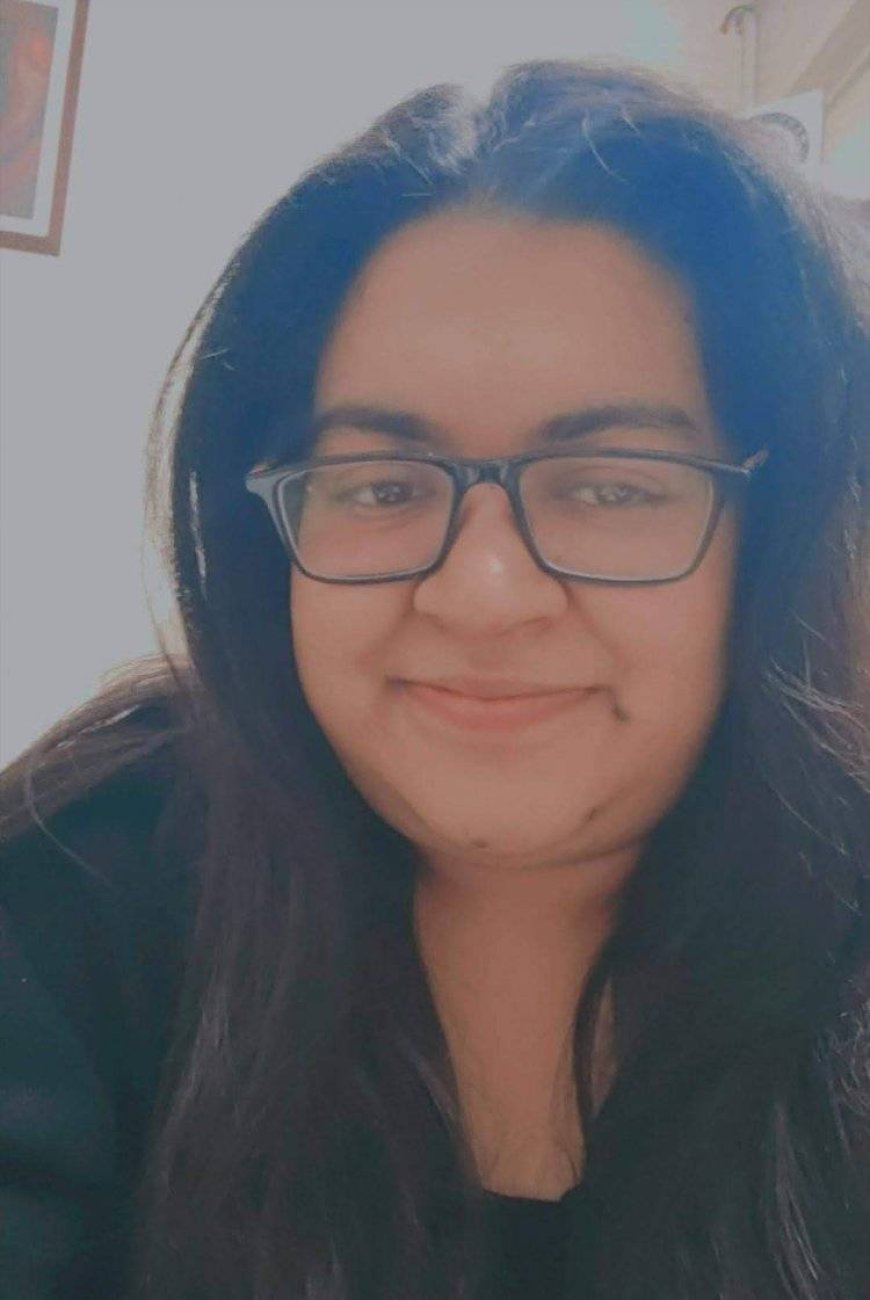
Presenting our exclusive interview with the multitalented Indian writer Twisha Ray.
Literary Influences
- What literary genres or authors inspire your creative writing and animation?
Twisha Ray: My creative writing and animation are inspired by a diverse blend of classic literature, mythology, folklore, and modern authors. My love for storytelling began with the works of Rabindranath Tagore, whose short stories deeply influenced my narrative style. Bibhutibhushan Bandopadhyay's Pather Panchali resonates with me, both for its vivid depiction of rural life and its profound exploration of human relationships. Shakespeare’s plays and Charles Dickens have shaped my understanding of drama and character depth, while Rudyard Kipling’s adventurous storytelling, especially in The Jungle Book, has always been a source of inspiration.
Growing up, I was introduced to a world of literature through the recommendations of my mother, who suggested age-appropriate books from fairy tales to Shakespeare, fostering a deep love for stories. Enid Blyton's whimsical tales of adventure nurtured my imagination during childhood. In terms of animation, Walt Disney’s magical creations, alongside Satyajit Ray's evocative storytelling, have had a major influence on how I approach animation and creative storytelling. Later in life, I also found inspiration in contemporary authors like Durjoy Datta, who became the "Romance King" for his deeply emotional and relatable works.
- How do classic works, such as mythology or folklore, influence your storytelling?
Twisha Ray: Classic works of mythology and folklore, particularly from Indian traditions, have a significant influence on my storytelling. Devdutt Pattanaik and Akshat Gupta Sir have had a profound impact on how I view and interpret ancient texts. My mother also played a vital role in instilling an appreciation for these stories, passing down lessons of wisdom, courage, and virtue from various mythologies. These stories help me incorporate timeless themes, such as morality, destiny, and divinity, into my own work. Whether through folklore or myth, these ancient stories shape my characters, plots, and symbolic representations.
Storytelling & Imagination
- What role does imagination play in your creative process, and how do you tap into it?
Twisha Ray: Imagination is the driving force behind all my creative endeavors. It allows me to bring my ideas to life in ways that go beyond conventional storytelling. The spark for my imagination often comes from the everyday tales shared by Ashtami Di, Somnath Kaku, and Munna—simple but deeply meaningful stories that capture the essence of life’s struggles and joys. Inspired by the mystical worlds in Walt Disney’s animations and the deep, emotional narratives in Satyajit Ray’s films, I use imagination to create new worlds, characters, and stories that engage the audience on an emotional level.
- How do you craft compelling content in your literary works?
Twisha Ray: Crafting compelling content requires a combination of emotional depth and strong narrative structure. Drawing inspiration from Shakespeare’s character-driven storytelling, Dickens’ ability to craft gripping plots, and the emotional undertones in the works of Ruskin Bond, I focus on creating characters that are not only complex but relatable. I explore universal themes such as love, loss, and self-discovery, making them resonate with my readers. Symbolism and metaphors, often derived from mythology, play an essential role in adding layers of meaning to my writing.
Literary Themes & Symbolism
- What themes or social issues do you explore in your work, and why are they important to you?
Twisha Ray: The themes I explore in my writing focus on human relationships, identity, and mental health. I delve into social issues that are often overlooked or underrepresented in mainstream narratives, such as gender equality and social justice. These issues are important because they reflect the struggles that individuals face in society. Growing up, I was deeply influenced by the simple yet profound lessons from my mother’s stories, which often centered on moral dilemmas, and I try to reflect these themes in my work to inspire change and promote empathy.
- How do you incorporate symbolism or metaphors into your animation and writing?
Twisha Ray: Symbolism and metaphors are integral parts of my creative process. Whether through the use of natural elements like rivers or mountains, or by invoking mythological figures such as gods or goddesses, I embed these symbols to express deep emotional or philosophical truths. For instance, the use of the journey in many of my stories is a metaphor for personal growth. Inspired by Shakespeare’s use of nature and Devdutt Pattanaik’s mythological imagery, I use these devices to add layers to my narrative, creating multiple layers of interpretation for my audience.
Creative Process & Inspiration
- Can you share your favorite literary quote or passage that sparks creativity?
Twisha Ray: One quote that fuels my creativity is from Rabindranath Tagore: "Let your life lightly dance on the edges of Time like dew on the tip of a leaf." This captures the fleeting nature of creativity and reminds me to embrace the process, rather than overthinking it. It encourages me to approach my craft with joy and spontaneity.
- How do you balance writing and storytelling in your creative projects?
Twisha Ray: I balance writing and storytelling by first developing a solid plot structure and then focusing on the characters and emotions that drive the story forward. While writing gives shape to the narrative, storytelling allows me to breathe life into it. I find that focusing on both simultaneously helps maintain a cohesive narrative arc that is both engaging and emotionally compelling. The influence of authors like Durjoy Datta in romance and Satyajit Ray’s storytelling helps me understand the balance between emotional resonance and plot progression.
Other Questions
- How does your cultural background influence your storytelling and animation style?
Twisha Ray: My Indian cultural background plays a significant role in how I approach both storytelling and animation. The deep connection to mythology, folklore, and spirituality that I inherited from my mother’s teachings allows me to create stories that are rooted in Indian traditions while still resonating with a universal audience. The influences of Walt Disney and Satyajit Ray helped me understand how cultural elements can be adapted for global storytelling. I combine traditional and modern elements in my animation and writing to create a bridge between cultures.
- What literary works would you love to adapt into animated series or films?
Twisha Ray: I would love to adapt Bibhutibhushan Bandopadhyay's Pather Panchali into an animated series. The lush landscapes and emotional depth of the story would lend themselves beautifully to animation. I also think Shakespeare’s plays would be perfect for animation, particularly works like A Midsummer Night’s Dream, which has rich, fantastical elements. Devdutt Pattanaik’s retellings of Indian mythology could also make for captivating animated adaptations.
Favorite authors, books, or genres: I am particularly drawn to mystery, history, science fictional , fiction ,science fiction ,poetry book historical fiction, romance, mythology,self help books incomplete book and adventure. Some of my favorites include Rabindranath Tagore, Bibhutibhushan Bandopadhyay, Satyajit Ray, Enid Blyton, Shakespeare, Charles Dickens, Arthur Conan Doyle, Ruskin Bond, Akshat Gupta Sir, Devdutt Pattanaik Sir, Durjoy Datta
Influence of poetry or playwriting on filmmaking: Poetry and playwriting have deeply influenced how I craft dialogue, structure scenes, and develop pacing in both film and animation. These art forms have taught me the importance of rhythm, emotion, and the subtext behind words.
Representation and diversity in literature and animation: I strive to represent diverse voices in both my writing and animation. By including a range of experiences and perspectives, I hope to contribute to a more inclusive creative world.
Adapting literary classics for modern audiences: Inspired by Tagore, I aim to explore diverse perspectives and stories, highlighting voices often unheard in mainstream narrativesAdapting classics like Shakespeare or Dickens for modern audiences is about making the themes relatable and accessible while preserving the essence of the original work. This adaptation process can breathe new life into timeless stories.
Intersection of technology and literature in animation: Technology has allowed me to bring literary worlds to life in ways I never imagined possible. Through animation, I can visually represent the symbolism, character arcs, and narrative depth that come from literature, creating immersive experiences for audiences.
What's Your Reaction?