

















































7 TIPS TO AVOID GYM INJURIES — BY A TOP SPORTS SURGEON
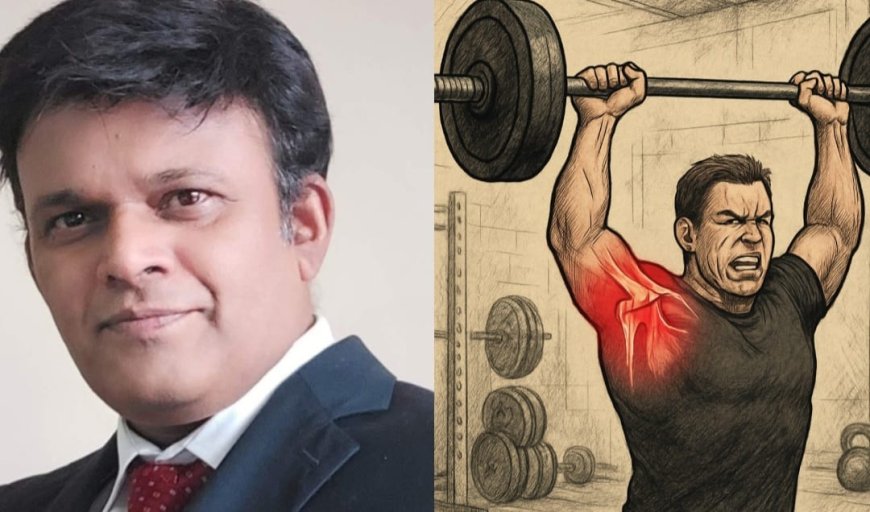
Gym training has emerged as one of the most popular ways to stay fit, build strength and boost overall health. With increasing awareness about fitness, more and more people are spending hours in gyms working on weights and machines. However, this rise has also brought along a surge in gym-related injuries. Rotator cuff injuries, lumbar disc prolapse and muscle tears have become commonplace in gyms. While these injuries can be painful and discouraging, most of them are preventable with the right approach.
Dr. Samir Pilankar is a reputed Arthroscopy & joint replacement surgeon with 25 years of experience & is rated among the best in Mumbai. He is a specialist in mini-incision technique in robotic joint replacement surgery and arthroscopy resulting in faster recovery. After extensive training in renowned hospitals in Switzerland, Spain & Germany, he has successfully performed over 5000 Arthroscopy & Joint replacement surgeries. He was awarded with the prestigious Abdul Kalam Award, Times Icon award 2022 and has been featured in India Today’s top orthopedic surgeons 2025. In this article, he has shone light on the perils of unsupervised and incorrect gym exercises.

1. Hydration
Staying well-hydrated is critical for safe exercise because dehydration reduces muscle efficiency and increases cramp risk. When your body lacks fluids, joints become less lubricated, raising the chance of sprains or strains. Drinking small amounts regularly during workouts is better than gulping down water only when you feel thirsty. Adequate hydration also helps regulate body temperature, preventing heat-related problems. Including electrolyte-rich fluids can be beneficial if you sweat excessively. Remember, proper hydration supports both performance and injury prevention.
2. Supervision
Working out under supervision, especially when lifting heavy weights, can prevent accidents. A trainer or spotter ensures that your form is correct and that you do not overestimate your limits. Incorrect posture or poor technique often causes injuries more than the exercise itself. Beginners particularly benefit from guided instruction, as it builds safe habits early. Even experienced athletes sometimes need corrections or assistance to avoid strain. Supervision offers both safety and accountability during training.
3. Good Shoes
Footwear plays a vital role in gym safety. The wrong shoes can cause imbalance, ankle sprains, or even knee pain. Good training shoes provide cushioning, grip, and arch support to match your activity. Running, weight training, and cross-training each need different shoe designs. Investing in the right pair reduces stress on joints and improves stability. Shoes are not fashion accessories in the gym—they are protective equipment.
4. Warm Up
Skipping warm-up is a recipe for muscle pulls and ligament strains. A 10–15-minute warm-up increases blood flow to muscles and prepares them for heavier loads. Dynamic stretches and light cardio movements are better than static stretching before exercise. Warming up gradually elevates heart rate and improves flexibility. It mentally prepares you for workout, reducing carelessness. Always remember, a good warm-up is your best insurance against sudden injury.
5. Gradual Increments
Sudden jumps in weight or intensity put enormous strain on muscles and joints. Progressing gradually allows the body to adapt safely. Following the “10 percent rule”—increasing weights or duration by no more than 10% per week—is a safe guideline. Controlled increments prevent overload injuries like tendinitis or stress fractures. Patience in progression ensures steady and long-term gains. Remember, building strength is a marathon, not a sprint.
6. Avoid Over Exercising
Excessive workouts can harm more than help. Overtraining leads to fatigue, poor concentration, and increased injury risk. Listening to your body’s warning signals is crucial to avoid pushing past safe limits. Balance intensity with recovery for optimal results. Rest days are as important as workout days for growth. Quality always matters more than sheer quantity in training.
7. Rest & sleep
The great Roger Federer was known for prioritizing a large amount of sleep, reportedly 10 to 12 hours per day. He considered it as a performance enhancing tool emphasizing its importance for recovery and injury prevention. Without rest, micro-injuries accumulate and lead to chronic issues. Good sleep enhances healing, coordination, and energy levels. Taking scheduled breaks prevents burnout and supports consistent training.
By Dr. Samir Pilankar, Arthroscopy & Sports injury surgeon
What's Your Reaction?